What a Soda Can at 13,000 Feet Taught Me About Taking Care of Home

This year, I spent my birthday the way I spend most of my favorite days: on a trail. I set out to climb Mt. Tom, one of the most striking peaks in the Eastern Sierra, and by "not easy feet" I mean it. The elevation gain doesn't let up, and by the time you're standing above 13,600+ feet, you've earned every bit of that view.
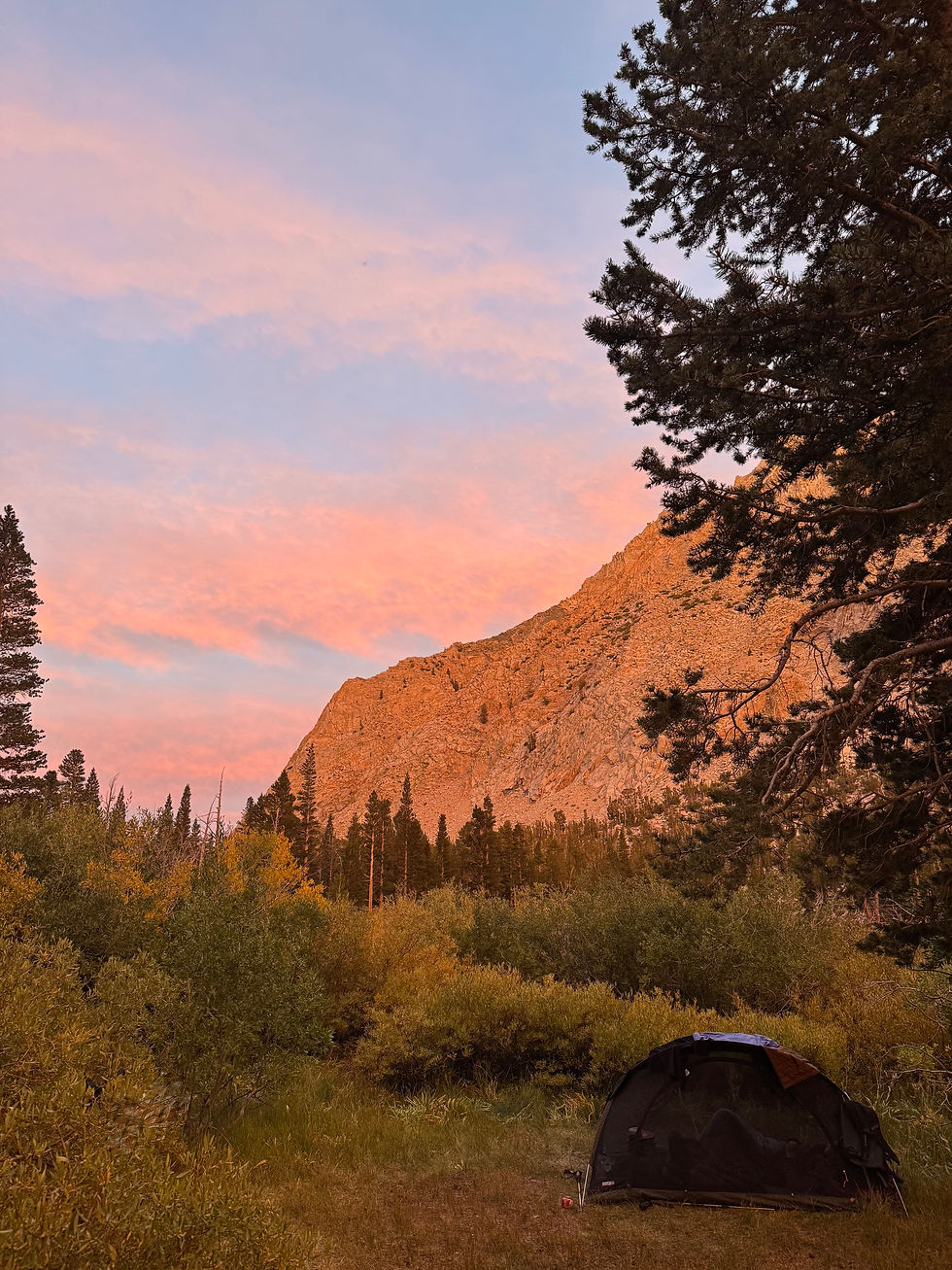
And what a view it is. Looking out over the range I grew up in, the basin, the peaks I've hiked my whole life, it's the kind of perspective that reminds you why you love a place. Growing up here, these mountains weren't a vacation destination. They were the backdrop to everything: summers, seasons, the rhythm of an entire life built around this landscape.
But near the summit, I found something that didn't belong: half a soda can, tucked into the rocks at the top of the peak. I packed it out, like I always do. It's a small thing, but it stuck with me the rest of the descent.
The Balance We Didn't Build
This land has found its own balance over thousands of years. Long before any of us showed up, and it'll keep going long after. When we disturb that balance, even in small ways, we all end up feeling it: degraded trails, stressed wildlife, water sources impacted by things that were never meant to be there. A soda can at 13,000 feet isn't just litter. It's a sign of how easy it is to forget that we're guests up there, not owners.
Leave no trace isn't a slogan for people who already care about the outdoors. It's the baseline. It's the least we owe to the places that give us so much, whether that's a weekend backpacking trip or a lifetime spent in their shadow.

Where the Real Work Happens
Leave no trace is personal responsibility, but it's not the whole picture. The mountains, trails, and lakes around Mammoth stay healthy because people show up and do the work, often unpaid, often overlooked.
Local trail crews spend entire seasons doing the unglamorous labor that keeps our trails passable: clearing deadfall, repairing erosion damage, maintaining the routes that thousands of us use every year without a second thought. Community cleanup groups organize the less scenic side of conservation, pulling trash out of our lakes and basin before it becomes a bigger problem. None of this happens automatically. It happens because people care enough to volunteer their weekends.
That's the piece I want to see more of in this town: not just individual awareness, but real, visible support for the people and organizations doing the ground-level work. That means:
• Backing trail crews with the resources and recognition they need to keep doing this work sustainably, not just relying on volunteer goodwill to fill the gaps.
• Supporting community cleanup efforts like the ones happening around the lake basin, and making sure locals know when and how to get involved.
• Treating conservation as infrastructure, not an afterthought. Because a clean, well-maintained backcountry is part of what makes Mammoth Lakes work, for residents and visitors alike.
An Optimistic Note
I don't say any of this out of frustration, if anything, this trip left me feeling more hopeful than anything else. Every time I've joined a cleanup day or run into a trail crew mid-repair, I've been struck by how many people in this town genuinely love this place and show up for it, no fanfare required.
That's the spirit I want to build on. Taking care of our backyard isn't a burden, it's something we get to do together, and it's one of the clearest ways this community already shows up for itself.
If you're looking for a place to start, keep an eye out for local cleanup events, I will do my best to keep everyone posted as there's almost always one coming up, and it's a good excuse to spend a few hours outside with people who care about the same things you do.
Here's to another year, another summit, and another reminder of why this place is worth taking care of.
-Lakota


Comments